
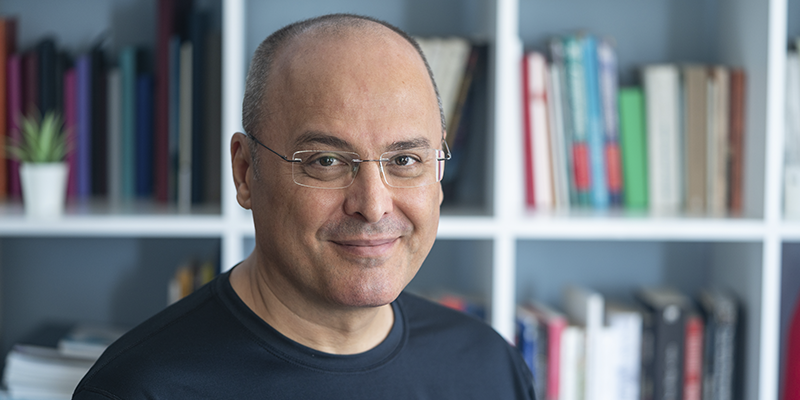
Նա ծնվել է 1966 թ. Ադանայում։ Ավարտել է Էգե համալսարանի Սննդի ինժեներության բաժինը, այնուհետև մագիստրոսական կրթություն է ստացել Աքդենիզ համալսարանում, որտեղ նաև պաշտպանել է նաև իր դոկտորականը՝ շրջակա միջավայրի համար անվտանգ վերլուծական մեթոդների վերաբերյալ։ Իր մասնագիտական կարիերան սկսել է Գյուղատնտեսության և անտառային տնտեսության նախարարության լաբորատորիաներում, որտեղ զբաղվել է սննդի և ջրի աղբյուրներում մնացորդային հավելումների և թունավոր նյութերի ուսումնասիրությամբ։ 2009 թ․ դարձել է Աքդենիզ համալսարանի դոցենտ և կարևոր դեր է խաղացել Սննդի անվտանգության և գյուղատնտեսական հետազոտությունների կենտրոնի հիմնադրման գործում։ 2010-2016 թթ․ զբաղեցրել է կենտրոնի Տեխնիկական գծով փոխտնօրենի պաշտոնը։
Որպես գիտնական՝ նրա կարիերան դարձավ հասարակական շահը պաշտպանելու մի ուղի։ Նրա՝ սննդի անվտանգության, շրջակա միջավայրի պահպանության և թունավոր քիմիական նյութերի վերաբերյալ հետազոտությունները երբեք միայն լաբորատորիայի սահմաններում չէին մնում։ Նա իր մասնագիտական գիտելիքները ծառայեցրել է հանրային շահին՝ բարձրաձայնելով հանրային առողջությանը սպառնացող խնդիրների մասին և հարցականի տակ դնելով այն քաղաքականությունները, որոնք ուղղակիորեն ազդում են հանրային առողջության վրա։
Առողջապահության նախարարության ղեկավարած մի գիտական ծրագրի շրջանակում նա տարբեր շրջաններում հողում, ջրում և սննդի մեջ հայտնաբերել էր քաղցկեղածին նյութերի վտանգավոր չափաբաժիններ։ Չնայած որ նա այս կարևոր տեղեկատվությունը փոխանցել էր համապատասխան մարմիններին, արդյունքներն այդպես էլ չէին հրապարակայնացվել։ Բայց նա հրաժարվեց լռել այդ մասին, և գիտնականի` իր պատասխանատվությունից ելնելով, տեղեկությունը ներկայացրեց հանրությանը, որի արդյունքում նրան մեղադրանք առաջադրվեց և դատապարտվեց ազատազրկման։
2016 թ․ նա ստորագրել է «Գիտնականներն հանուն խաղաղության» խմբի կողմից ներկայացված հանրագիրը՝ «Մենք այս հանցագործության մասնակից չենք լինի» կոչով, որի պատճառով նրան հեռացրին համալսարանից՝ նախագահի հրամանագրով։ Չնայած այս որոշումը մեծ հարված էր նրա ակադեմիական կարիերային, նա չդադարեց իր գործունեությունը շրջակա միջավայրի պահպանության, թունավոր նյութերի, սննդի անվտանգության և հանրային առողջության ոլորտներում։ Նա բողոքարկեց համալսարանից իր հեռացման որոշումը, ինչը բավարարվեց դատարանի կողմից, և 2024 թ․ նա նորից անցավ իր պաշտոնին։ Սակայն համալսարանը բողոքարկեց դատարանի որոշումը, և նրան կրկին ժամանակավորապես հեռացրին աշխատանքից։ Այդ ընթացքում նա շարունակեց իր հետազոտությունները՝ հանրայնացնելով դրանց արդյունքները։
Նա դարձավ երկրի տարբեր շրջաններում բնական աղետներից տուժած մարդկանց ձայնը։ Նա հեղինակել է իրավահեն զեկույցներ այն շրջանների հետ կապված, որտեղ երեխաները ստիպված են եղել ապրել աղտոտված ջրի, օդի և սննդի պայմաններում։ Նա պնդում էր, որ դպրոցական երեխաներին պետք է օրական գոնե մեկ անգամ առողջ ուտելիք տրամադրել, և դպրոցական ճաշարանները հանրային խոհանոցների վերածելու կոչ էր անում։ Նա շրջակա միջավայրի աղտոտումը բնորոշել է որպես «դանդաղ բռնություն»՝ փորձելով բացահայտել դրա պատճառած ոչ տեսանելի վնասները։
Նրա իր ողջ գործունեությամբ անդադար հիշեցնում է, որ գիտական տվյալները հասարակական պատասխանատվությունից անբաժան են։ «Քաղցկեղի տվյալների դատավարությունը» թերևս նրա պայքարի ամենաուշագրավ օրինակը կարելի է համարել․ նրան ազատազրկման էին ենթարկել այն բանի համար, որ հանրայնացրել էր շրջակա միջավայրի պատճառով առաջացած քաղցկեղի վերաբերյալ տվյալներ, որ Առողջապահության նախարարությունը չէր հրապարակել։ Սակայն բողոքարկման գործընթացներից հետո՝ 2025 թ․, Վճռաբեկ դատարանը նրան վերջապես արդարացրեց։ Այս վճիռը նորովի բարձրացրեց այն հարցը, թե որն է գիտության հասարակական պատասխանատվության և պետական գաղտնիքների սահմանը։
Նա շարունակեց սննդաարդյունաբերության ոլորտում թափանցիկության կոչեր անել՝ հատկապես ընդգծելով արդյունաբերական սննդամթերքի գովազդի և հանրային իրազեկման միջև եղած հակասությունները։ Այս հարցով նրա արած հայտարարությունների արդյունքում սննդաարդյունաբերական մի ընկերություն նրան դատի է տվել։ Չնայած իրավական բոլոր ճնշումներին, նա երբեք չի հրաժարվել իր այն համոզմունքից, որ հանրային առողջությունը չպետք է ստորադասել առևտրային շահերին։
Նա մեծ դեր է խաղացել կենսական նշանակության տեղեկատվությունը հանրությանը հասանելի դարձնելու հարցում՝ բարձրաձայնելով մասնավորապես սննդի անվտանգության հարցերը պարզ ու մատչելի լեզվով ներկայացնելու տեխնիկական խնդիրների մասին։ Իր գիտական թեմաները ընտրելիս և դրանց արդյունքները ներկայացնելիս նա միշտ առաջնահերթություն է տվել ակադեմիական ազատությանը։ Գիտական ազնվությամբ, հանրային շահը պաշտպանելու իր հաստատակամությամբ և ռիսկի գնալու քաջությամբ՝ նա իր գործունեությունը միշտ ծավալել է՝ մասնագիտական և բարոյական պատասխանատվության զգացումից ելնելով։
Սիրելի՛ բարեկամներ, ովքեր գնահատում են Հրանտ Դինքի խոսքերը, կյանքը և նրա թողած ժառանգությունը,
Մեծ պատիվ է այսօր երեկոյան այստեղ լինել, ստանալ Հրանտ Դինքի անունը կրող այս մրցանակը։ Նրա կյանքը մեզ ցույց տվեց ճշմարտությունն ասելու և արդարություն պահանջելու ծանր գինը, ինչպես նաև այն արժանապատվության զգացումը, որ ունենում ես հուսալի ապագա պահանջելիս։
Երբեմն հանրության խիղճը մարմնավորված է մեկ անձի մեջ, հատկապես նրանց, ովքեր խոսում են անկեղծությամբ, քաջությամբ և մարդկային հոգուն դիպչող իսկությամբ։ Հրանտ Դինքը այդպիսի մարդ էր. ձայն, որը դեռևս արձագանքում է այս երկրի խղճում՝ կոչ անելով ոչ թե ատելություն, այլ սեր, ոչ թե հակամարտություն, այլ համերաշխություն, ոչ թե տարանջատում, այլ համընդհանուր մարդկային արժեքներ։ Նա ձայն էր, որը մեզ հրավիրում էր կիսելու անցյալի վիշտը և ապրելու խաղաղության մեջ։
Այս մրցանակն ունի յուրահատուկ նշանակություն, քանի որ այն արմատավորված է այն մարդու կյանքում, պայքարում և անավարտ խոսքերում, որի անունը կրում է այն։
Երբ ինձ խնդրեցին ելույթ պատրաստել մրցանակաբաշխության արարողության համար, սկզբում խուճապ զգացի։ Մտածում էի, թե ի՞նչ կարող եմ ասել, ինչպե՞ս կարող եմ գտնել բառեր՝ նշելու այս նշանակալից մրցանակը։ Որոշ ժամանակ անց առաջին բանը, որ մտքիս եկավ, իմ սիրելի հորեղբայրն էր՝ Ահմեթ Ալբայը։ Նա սպանվել է 1980 թվականին՝ այսպես կոչված «չբացահայտված սպանությամբ», չնայած մենք բոլորս ճանաչում էինք հանցագործներին։ Ես չէի կարող կապ չստեղծել նրա և Հրանտ Դինքի կյանքի միջև։ Նա նույնպես պայքարում էր արդարության և հավասարության համար, նա նույնպես պաշտպանում էր մարդկությունն ու մարդկային ոգին, և նա նույնպես լռեցվեց։ Ճիշտ այնպես, ինչպես Հրանտը։
Այս մարդիկ, ովքեր իրենց կյանքը զոհաբերեցին իրենց համոզմունքների և գաղափարների համար, մեզ ուժ են տալիս։ Նրանք մեզ հիշեցնում են, որ հնարավոր է այլ տեսակի կյանք։ Նրանց հիշողությունը հիմա մեզ հարցնում է.
Կարո՞ղ ենք իսկապես սգալ։
Կարո՞ղ ենք պահպանել մեր հիշողությունը։
Կարո՞ղ ենք առերեսվել անցյալի հետ։
Կարո՞ղ ենք գտնել բառեր՝ շարունակելու նրանց, ուժեղացնելու նրանց ձայնը, առաջ տանելու նրանց պայքարը։
Իմ հորեղբայր Ահմեթը իրավաբան էր։ 1970-ականներին նա ստանձնեց բազմաթիվ ռիսկային գործեր, որոնցից հատկապես ուշագրավ էր Մարաշի կոտորածը։ 1980 թվականի մայիսի 3-ին նա սպանվեց զինված հարձակման ժամանակ այն ուժերի կողմից, որոնց մենք այսօր կոչում ենք «պետություն պետության մեջ»։ Մի քանի ամիս անց տեղի ունեցավ սեպտեմբերի 12-ի ռազմական հեղաշրջումը, որը ջախջախեց Թուրքիայի ամենապայծառ սերնդին։ Սա այսօր մեր ապրած սոցիալական փլուզման հիմնական պատճառներից մեկն է…
Իմ հորեղբորը սպանողները տարիներ շարունակ ազատորեն թափառում էին Թուրքիայում՝ կատարելով այլ հանցագործություններ։ Նրանց ձերբակալել են միայն արտասահմանում, և միայն այն պատճառով, որ նրանց թմրանյութերի ապօրինի շրջանառությունը տարածվել է երկրի սահմաններից դուրս։ Արտահանձնվելուց և կարճատև բանտարկումից հետո նրանք ազատ են արձակվել 2012 թվականին՝ հատուկ համաներմամբ։ Մարդասպաններից մեկը, որը սպանության պահին միջին մասնագիտական դպրոցի աշակերտ էր, ազատ արձակվելուց հետո ասել է. «Ես արեցի այն, ինչ պետք է արվեր, ուստի ես ոչ մի ափսոսանք կամ զղջում չեմ զգում»։ Նա կարող էր արտաբերել այս նախադասությունը։ Իհարկե մեղավորների անունները պետք է հնչեցնել, բայց ո՛չ այստեղ, ո՛չ այս երեկո։
Հրանտ Դինքը մի անգամ գրել է. «Կարոտը ապրած փորձառությունների կանչն է: Այն անցյալի, հիշողությունների, մեր հոգիներում արձագանքող հին ընկերների նոստալգիկ ճիչն է»:
Սա մի արտահայտություն է, որը ծանրացնում է սիրտս, քանի որ այն բոլորովին այլ իմաստ էլ ունի։ Կարոտը ոչ միայն եղածի համար է, այլև այն բանի, ինչն այլևս չի կարող լինել, այն ապագայի համար, որը կորել է։ Երբ մենք սգում ենք կորցրած մարդկանց, ինչպիսիք են իմ հորեղբայրը և մեր սիրելի Հրանտ Դինքը, մենք նաև սգում ենք այն կյանքը, որը չկարողացանք ապրել նրանց հետ, բոլոր այն հնարավորությունները, որոնք այլևս չկան։
Եվ այս կարոտի մեջ հաճախ կա մեղքի ծանր զգացում։ Երբ սիրելի մարդը հեռանում է կյանքից, մենք չենք կարող չզգալ, որ դա ինչ-որ կերպ մեր մեղքն է։ Հարցերը երբեք չեն դադարում. «Ի՞նչ կլիներ, եթե ամեն ինչ այլ լիներ», «Ի՞նչ կլիներ, եթե մենք սա անեինք կամ գործեինք ավելի վաղ»։ Խորը մեղքի զգացումը կրծում է ձեզ։
Եվ այս զգացմունքները խորտակվում են մի դատարկության մեջ, որն արդարության բացակայությունը դարձնում է շոշափելի ամեն պահի։ Ես չգիտեմ, թե ինչպես կարելի է արդարության հասնել նման հանգամանքներում, քանզի այս երկրում նույնիսկ արդարությանը հետամուտ լինելը հաճախ կառուցվում է հենց արդարության բացակայության վրա։
Հորեղբորս կորցնելուց և սեպտեմբերի 12-ի հեղաշրջման ճնշումներին դիմանալուց հետո, իմ ընտանիքը տարիներ շարունակ խորտակվեց լռության մեջ։ Անարդարությունը, անօգնականությունը և այդ կրծող մեղքի զգացումը, ի վերջո, արտահայտվեցին լռության մեջ։ Հնարավոր է՝ լռությունը գալիս էր ոչ թե վերքը բուժելու ցանկությունից, այլ այն նկարագրելու համար բառեր գտնելու անհնարինությունից։
Տարիների ընթացքում ես հասկացա, թե որքան շատ չբուժված վերքեր կան այս երկրի պատմության մեջ, վերքեր, որոնք դեռևս բաց են, դեռևս արյունահոսում են և դեռևս ունեն արդարադատության պակաս՝ թե՛ անհատական, թե՛ հասարակական մակարդակում: Այդ վերքերից մեկը բացվել է իմ ընտանիքի սրտում:
Իմ հորեղբայրը 35 տարեկան էր, երբ սպանվեց։ Ես դեռ երեխա էի, միջնակարգ դպրոցի վերջին տարիս էր։ Նրա գրասենյակը շատ մոտ էր դպրոցին, և ես հաճախ էի այցելում նրան դասերից հետո։ Ես շատ հիշողություններ ունեմ կիսվելու, բայց այստեղ կպատմեմ մեր երկրով մեկ կատարած ճամփորդություններից մեկի մասին՝ մանկությանս ամենաանմոռանալի հիշողություններից մեկը։ Տարիներ անց հասկացա, որ այս ճամփորդությունը, հնարավոր է, առաջին անգամն էր, երբ ես անձնական վիշտը կապեցի հասարակական վերքերի հետ...
1977 թվականն էր, նոր էի ավարտել տարրական դպրոցը։ Ամառային արձակուրդների ընթացքում Ադանայից, որն իմ ծննդավայրն է, Ստամբուլ կատարած իմ առաջին միջքաղաքային ուղևորությունը դեռևս թարմ է հիշողությանս մեջ։ Մենք գնացինք իմ հանգուցյալ հորեղբոր՝ Ահմեթի մեքենայով։ Ստամբուլում մի քանի օր մնացինք Քյուչյուքչեքմեջեի մեր բարեկամների մոտ։
Այդ ժամանակ, ինչպես յոթանասունականներին մեծացած յուրաքանչյուր ոք գիտի, փողոցները երեխաներին էին պատկանում։ Ես ամբողջ օրը խաղում էի այնտեղ ծանոթացած մի երեխայի հետ։ Ինչ-որ մի պահի մենք միմյանց ասացինք մեր անունները, բայց անմիջապես դրանից հետո նա զգաց անհրաժեշտություն բացատրելու. «Ես հայ եմ»։ Ուսերս թոթվեցի և պատասխանեցի. «Հետո՞»։ Ու մենք շարունակեցինք խաղալ։
Այդ օրը մենք ընդամենը երկու երեխա էինք, որոնց միավորել էր ոչ թե ինքնությունը, այլ խաղը և մանկությունը։ Մնացածը ես շատ ավելի ուշ սերտեցի։
Ես սովորել եմ Ադանայի միջնակարգ դպրոցում՝ 1880 թվականին կառուցված շենքում, որը սկզբում եղել է քրիստոնյա աշակերտների համար, իսկ հետագայում վերանվանվել է Թեփեբաղի միջնակարգ դպրոց։
Հրանտ Դինքը մի անգամ գրել է. «Դպրոցը այն վայրը չէ, որտեղ գիտելիքը թելադրվում է, այլ այն վայրը, որտեղ այն կասկածի տակ է դրվում»։
Բայց իմ դպրոցը հեռու էր այդ գաղափարախոսությունից։
Մեր ուսուցիչներից ոմանք դպրոցը նկարագրում էին որպես «հին հայկական դպրոց» և վիրավորական մեկնաբանություններ էին անում հայերի մասին։ Այդպիսի պահերի ես միշտ մտածում էի այն երեխայի մասին, որի հետ խաղում էի Ստամբուլում։ Մտածում էի. «Նա շատ կվիրավորվեր, եթե սա լսեր»։ Ես լուրջ չէի ընդունում այն, ինչ լսում էի և չէի հավատում նրանց խոսքերին։ Այս կասկածամիտ դիրքորոշումը գալիս էր իմ շրջապատից։
Հիմա հետ նայելով՝ գիտակցում եմ, որ կարող էի մեծանալ խտրական, ծայրահեղ մտքերով լի միջավայրում։ Բայց իմ առջև այլ օրինակներ էլ կային՝
Իմ հորեղբայրը…
Հայրս, որը միշտ ասում էր. «Մի՛ վաստակիր քո հացը՝ ուրիշներին տառապանք պատճառելով»…
Մայրս, որը ցույց տվեց ինձ, որ կարելի է պայքարել և փոխել իր կյանքը ցանկացած տարիքում…
Եվ իմ ուսուցիչ Ռուհին, որն օգնեց ինձ պատմությունը տեսնել այլ տեսանկյունից…
Առանց նրանց, ինչպիսի՞ մարդ կդառնայի։ Չգիտեմ։
Սա միայն իմ կյանքի պատմության մասին հարց չէ։
Այն նաև ստիպում է ինձ կասկածի տակ դնել, թե ինչպես է ձևավորվում այն հասարակությունը, որում մենք ապրում ենք։
Ինչպես են առաջանում խտրականությունը, մեկուսացումը և բռնությունը… և արժեզրկում մարդուն կամ համայնքին…
Ես չեմ հավատում, որ չարը բնորոշ է մարդկային բնույթին։ Այն սովորում ենք կյանքի ընթացքում։ Եթե մենք չհասկանանք չարիքի աղբյուրը, եթե հարցականի տակ չդնենք այն խավարը, որը նորածնին մարդասպանի է վերածում... մենք ոչինչ չենք կարող փոխել։ Նաև չենք կարող իմանալ, թե ինչպես տարածել բարություն։
Միայն տարիներ անց ես հայտնաբերեցի, որ այն փողոցները, որտեղ ես խաղացել եմ մանկությանս տարիներին, այն դպրոցը, ուրհաճախել եմ, այն թաղամասը, որտեղ մեծացել եմ, կրում էին շատ ավելի ցավոտ և արյունալի անցյալ, քան ինձ երբևէ սովորեցրել էին դպրոցում: Երբ ես կարդացի Զաբել Եսայանի «Ավերակներում» գիրքը, որը պատմում է 1909 թվականի Ադանայի կոտորածի մասին, որի ժամանակ սպանվել են տասնյակ հազարավոր հայեր, իսկ նրանց ունեցվածքը բռնագրավվել, ինձ համար դժվար էր հասկանալ, թե ինչպես է այդպիսի մեծ կոտորածը մնացել անհայտ:
Նույնիսկ այսօր, Ադանայում ապրող մարդկանց մեծ մասը, ցավոք, գրեթե ոչինչ չգիտի այս մեծ ավերածության մասին…
Առանց անցյալի չարիքներին դիմակայելու, առանց ցավը կիսելու, ո՛չ արդարադատությունը, ո՛չ էլ իրական սոցիալական վերականգնումը հնարավոր չեն։
Հասարակությունը, որը աչք է փակում, լռում է և հրաժարվում է դիմակայել իր անցյալին, վաղ թե ուշ կկանչի իր դահիճներին՝ Հիտլերներին, Մուսոլինիներին, Պինոչետներին…
Երբեմն մտածում եմ, որ մեր երկրի այսօրվա ավերածությունների և սոցիալական քայքայման արմատները թաքնված են հենց անցյալին դիմակայելուց հրաժարվելու, անարդարությունների վրա աչք փակելու, պատմության հետ հաշտվելու այս անկարողության մեջ։
Այս երկրում ճշմարտությունն ասելը, լռեցվածների ձայները լսելը, նրանց ձայները բարձրացնելը հաճախ նշանակում է միայնություն, ճնշում և սպառնալիք։ Բայց ես գիտեմ, որ հասարակության մեջ, որտեղ լռություն է տիրում, նույնիսկ ճշմարտության մեկ խոսքը կարող է լինել պատուհան, որը բացվում է խավարից դեպի լույս։ Ահա թե ինչու այդ խոսքն ասելը, ճշմարտության մասին վկայելը, կոլեկտիվ լռության մեջ ներթափանցելու և հույսը կենդանի պահելու ամենաուժեղ միջոցն է՝ անցյալի վերքերը բուժելու և ապագան պաշտպանելու միջոցը...
Անհրաժեշտ է խոսել անցյալի ցավերի մասին, բուժել դեռևս բաց վերքերը։ Սակայն նույնքան կարևոր է կանխել նոր վերքերի պատճառումը։ Հետևաբար՝ վկայելը պահանջում է ոչ միայն նկատել այն, ինչ մեր աչքի առաջ է, այլև նկատել անտեսանելի դարձած վերքերը։
Այս անտեսանելի վերքերի մեջ ամենածանրը և ամենացավոտը երեխաներին թունավոր քիմիական նյութերի ազդեցությանը ենթարկելն է։ Երեխաները ամենախոցելի խումբն են, որոնք ամենախորը զգում են շրջակա միջավայրի և սոցիալական պայմանների բեռը։
Երեխային առողջ միջավայրում մեծացնելը, մաքուր ջրի հասանելիությունը և բավարար ու հավասարակշռված սնունդը վճռորոշ դեր են խաղում նրա ողջ կյանքի ընթացքում։ Հետևաբար, երեխաների հիմնարար իրավունքների պաշտպանությունը սոցիալական արդարության, համակեցության և խաղաղության ամենակարևոր միջոցներից մեկն է։ Այն բռնությունից զերծ կյանքի, սոցիալական ներդաշնակության և արժանապատիվ ապագայի համար յուրաքանչյուր պայքարի հենակետն է։
Մեր երկրում գրեթե 20 միլիոն երեխա ապրում է աղտոտված օդի, ջրի և հողի պատճառով առաջացած ռիսկերի ներքո: Միայն կապարը մշտական վնաս է պատճառում միլիոնավոր երեխաների մտավոր զարգացման և ուսումնառության կարողությունների վրա: Սա միայն առողջապահական խնդիր չէ, այլև շրջակա միջավայրի արդարադատության հարց: Բարձր աղտոտվածության տարածքներում ապրող երեխաները հաճախ բախվում են նաև աղքատության, պարենային անապահովության և սոցիալական մեկուսացման: Արդյունքում, թե՛ նրանց ճանաչողական հմտություններն ու ուսումնառության կարողությունները, թե՛ կյանքի հնարավորությունները դատապարտված են իրենց բնածին ներուժին չհամապատասխանելու:
Երբ երկրիդ օդը թունավորված է, ջրերը՝ աղտոտված, հողը՝ ծանր մետաղներով հագեցած, և երբ այս ամենը հայտնի է, բայց անտեսվում է, չի կարող լինել արդարություն, հավասարություն, արժանապատիվ կյանք։ Նման լանդշաֆտում թունավորվում է ոչ միայն բնությունը, այլև մարդկանց միջև կապերը։
Այնուամենայնիվ, մարդիկ կղզիներ չեն. կյանքը հնարավոր է միայն իրար հետ։
Այսօր առողջ սնունդը, բնապահպանական արդարությունը և սոցիալական հավասարությունը չեն կարող առանձին դիտարկվել։ Սակայն այս հարցերը հաճախ սխալմամբ հանգեցվում են անհատական ընտրության կամ անձնական պատասխանատվության հարցերի։ Այս կերպ իրական մեղավորները դառնում են անտեսանելի, և խնդիրները միայն խորանում են։ Լռությունը հեշտացնում է մեղավորի գործը։ Երբ ճշմարտությունը չի ասվում, ստերը ուժ են ստանում, իսկ խիղճը կաթվածահար է լինում։ Ահա թե ինչու ճշմարտությունը բացահայտելը, այս խնդիրների իրական մեղավորներին բացահայտելը և այդ հարցերը հանրությանը ներկայացնելը ոչ միայն բարոյական պարտականություն է, այլև մասնագիտական պատասխանատվություն։ Այս պատասխանատվությունը ընկած է բոլոր նրանց ուսերին, ովքեր հոգ են տանում հանրային բարիքի մասին և այդ մարդիկ առաջին հերթին գիտնականներն են, լրագրողները, բժիշկները և իրավաբանները։
Որպես գիտնական՝ ես ձգտում եմ կատարել այս պատասխանատվությունը։ Հրանտ Դինքի խոսքերը լուսավորում են իմ ճանապարհը. «Եթե լռությունը տաբու է, ապա խոսելը՝ ժողովրդավարություն»։
Խոսելը, դիրքորոշում ընդունելը և գործողություններ ձեռնարկելը երբեմն կարող են ռիսկային լինել: Բայց չմոռանանք, որ էթիկական դիրքորոշում ընդունել նշանակում է գիտակցաբար կանգնել դժվար դիրքերում։ Իսկական էթիկական վարքագիծը երբեմն պահանջում է դեմ կանգնել ավանդույթներին, սոցիալական համոզմունքներին և նույնիսկ օրենքներին: Երբ օրենքները, խիղճը, վախը և անհանգստությունը բախվում են, դա ենթադրում է լռելուց հրաժարվել, հետ քաշվելուց հրաժարվել և փոխարենը ընտրել առաջ գնալը: Երբեմն այդ առաջին քայլը կատարվում է մեկ անձի կողմից: Մենք հույս ունենք, որ մեր ձեռնարկած քայլը կվերացնի անարդարության, ճշմարտության կորստի և հասարակական խղճի քայքայման հնարավորությունները: Բայց հույսը լռության մեջ չի աճում. այն ծաղկում է, երբ մենք կողք կողքի ենք կանգնած, երբ մեր քայլերը միասին ենք անում:
Մենք ապրում ենք այնպիսի օրերում, երբ ամենաշատն ունենք միասնական հույսի կարիք, որը մեզ կպահի միասին և կկապի միմյանց, քանզի կյանքը իմաստ է ստանում՝ ընդունելով ուրիշների կյանքը։
Հույսը չի ծնվում սպասելուց, այլ քայլեր ձեռնարկելուց և գործելուց։
Եվ հույսի ավելի մեծ աղբյուր չկա, քան այնպիսի հասարակության համար գործողություններ ձեռնարկելը, որտեղ յուրաքանչյուր երեխա կարող է մեծանալ առողջ, ազատ և երջանիկ։
Հնարավոր է ապահովել, որ երեխաները մեծանան լավ առողջությամբ. մենք պարզապես պետք է անհրաժեշտ քայլեր ձեռնարկենք այդ ուղղությամբ։
Հրանտ Դինքի ժառանգությունը միայն մեկ մարդու ժառանգություն չէ։ Այն միասին ապրելու, եղբայրության և արդարության ժառանգություն է։
Այս մրցանակը ինձ ոչ միայն անսահման պատիվ է բերում, այլև այդ ժառանգությունը կենդանի պահելու պատասխանատվություն տալիս։
Ես այն նվիրում եմ իմ ընտանիքին, որը ինձ ուժ է տալիս, և այս աշխարհի երեխաներին՝ որն ամենաթանկարժեք էակներն են։
Շնորհակալություն։